Commentary
(Originally written on Holy Saturday)
And, wasn’t I pumped to learn of this article where upon I chanced upon it only roughly 30mins ago! As I just can’t get enough of this timeless cinematic classic that many of us know and love: The Sound of Music. However, my hopes were dashed to bits when it struck me about half way through reading it that the author is using Julie Andrews’ wonderful performance to stack it up against a few earnestly good things that were circumstantially thrown in-and-amongst an insideously evil political climate. He, unfortunately and shamefully at that, doesn’t just pit Julie Andrews’ performance against the Nazis, who btw, were just about the only shamelessly bad thing insofar as the movie characters themselves go, there is to know about the story’s wartime backdrop.
I can’t understand how on earth, this article that reviews an astoundingly good film (a classic in the genre of cinematic genius, one that undoubtedly contains loads of witty humour and a decidedly Catholic moral compass) could taint its lines with more than a penchant of malice for the spiritual goodness of the nuns portrayed in the movie, much less how this article could also be considered to be one that topicalizes “religion” as such, because the author gives it away, in no uncertain terms that he is either an atheist or a nihilist of sorts. Atheism as such is not a religion, and neither is nihilism, so it bewilders me how an atheistic or nihistic viewpoint could be deemed topical enough to classify it under the banner of “religion”.
You just got to listen to this to get the jist of the picture that the article’s author wishes to paint here, and in no mild respects, it is a bleak one:
Thematically, Andrews comes up against monastic devotion to Jesus Christ and the pursuit of one’s true vocation, grief and parenthood, true love and the saucy Baroness Schraeder (Eleanor Parker), patriotism and the Third Reich. And she wins against them all. Julie Andrews’s performance is bigger than the Baroness, the Nazis and the Benedictine Order.
Okay, it sorta sounds ‘catchy’, this last line, I’ll say but…
“And she wins against them all”???
“Comes up against”???
I really don’t think you could in any way, shape or form, call Maria’s discernment journey a “coming up against” the things she discerns. Yes, she undergoes a challenge no doubt in the discernment process, but these things she is discerning between are in no way threats to her life’s fulfillment; unlike the looming war, and the Nazi occupation that accompany’s it and props it up.
I would also hesitate to use Julie Andrews’ talent and the raw, lavishing spontaneity of her performance as the “winning hand” of cards that stacks itself ‘against’ the Baroness, and the Benedictine order, as well as the Nazis. Sure thing, it very well stacks itself against the Nazis and the Third Reich altogether, but it must be reckoned with and considered rightly in view of the actual plot-line, that neither the Baroness or the Benedictine nuns were, in any way whatsoever, Maria’s enemies. In fact, the Baroness was none other than a von Trapp family friend while the Benedictine convent helped secure an escape-route to freedom for the von Trapps, who became wanted enemies of the new authoritarian State under the Third Reich.
Therefore, while Julie Andrews’ performance might well be considered to outdo the cosmetic status of “the Baroness” and can also well and truly be seen to be much more powerful in emancipatory-terms than was the power and ability of the Nazis to hold back by force, the von Trapp family from securing their liberty, I don’t think it would be fair to pit her timeless performance either against a monastic devotion to Jesus Christ, the pursuit of true vocation, the dilemmas of grief and parenthood or even the mystery and auspices of true love or, for that matter, the Benedictine order itself.
Because, none of these things can be positioned against her perfornance as a ‘comparitive’ for it would be grossly unfair in light of both her performance and the integrity of those other thematic aspects of the movie’s storyline, to imaginarily pit them against each other since, that was not the purpose of the film. Rather, it would be much fairer to illustrate just how each of these things worked in tandem through observing how the plotline intricately weaves an interconnected mysterious relationship between each of them, in the Providential unfolding of Maria’s own life-fulfillment as cojoined with that of her entire family as well as their friends like the nuns, the Baroness, and others re: how the von Trapps are saved from impending doom by a matrix of interplaying circumstances involving the conscientious decisions of these good-willed people, who most notably include the Benedictine nuns themselves – after all, the movie’s ending leaves us with a final sobering message, that no true freedom is ever won without sacrifice. And we are left to contemplate the fate of the holy Sisters who essentially paved the way to a new found freedom for the von Trapps by “fixing” – undoing the wiring of either the ignition guage or removing the fuel pump (btw, am no mechanic but a guess on these parts is as good as it gets 🤣) – in the automobile intended to be the main pursuit-car the Nazis were going to use to go after the von Trapps in lieu of their escape. Hence, the fact that humour, triumph, and fated consequence for doing the mercifully just thing in the face of emblazoned injustice is truly, the salvatory hallmark of this movie’s final scenes.
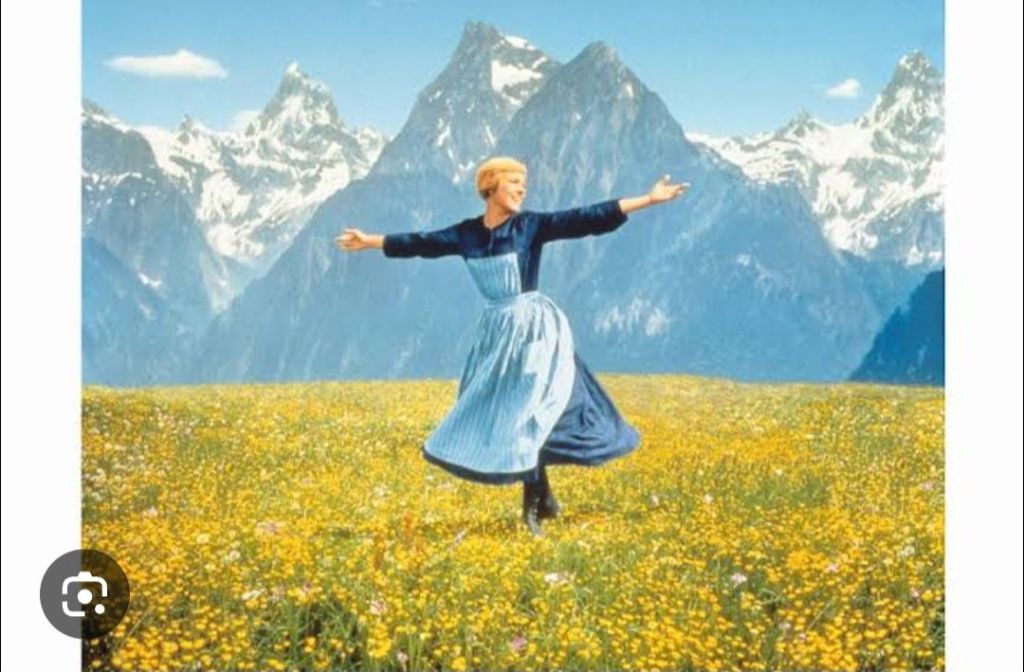
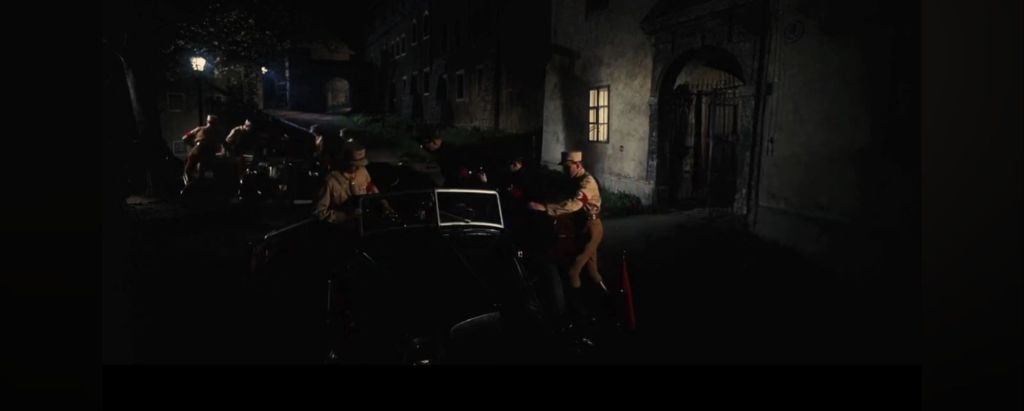
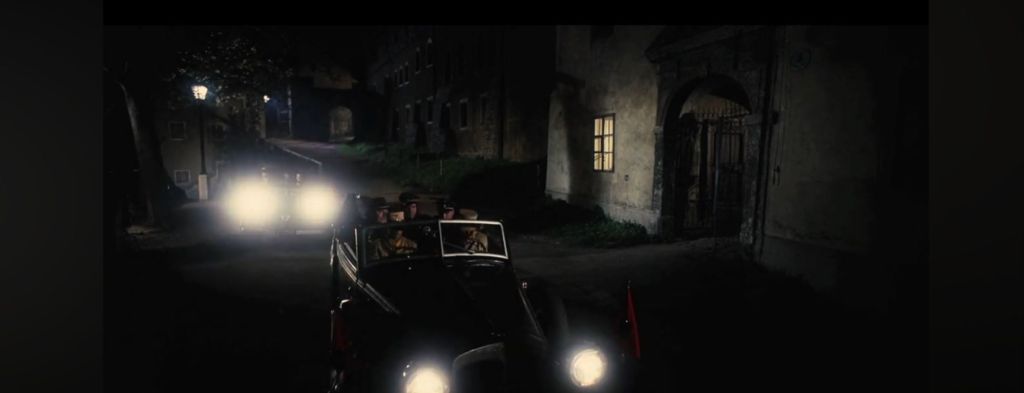
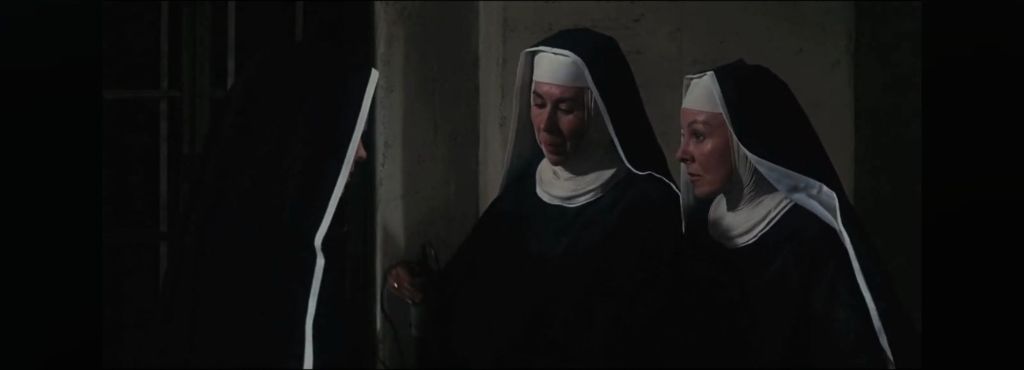
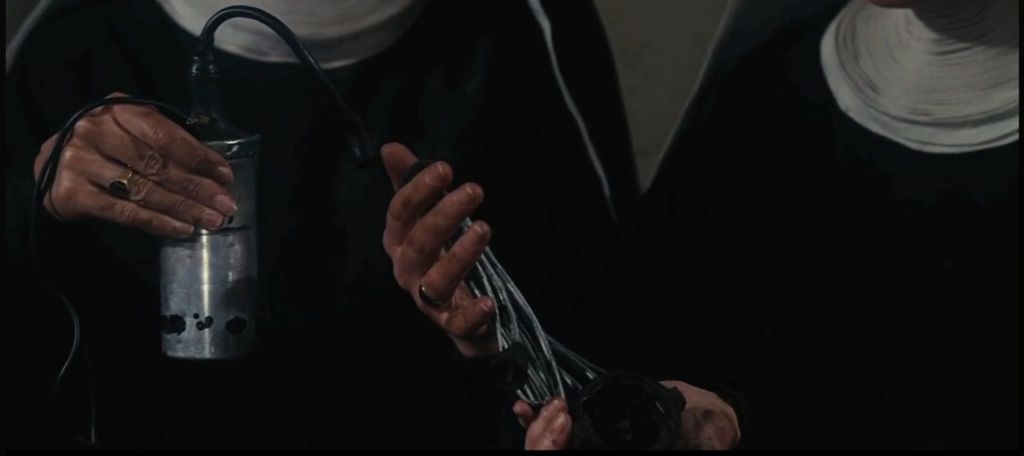

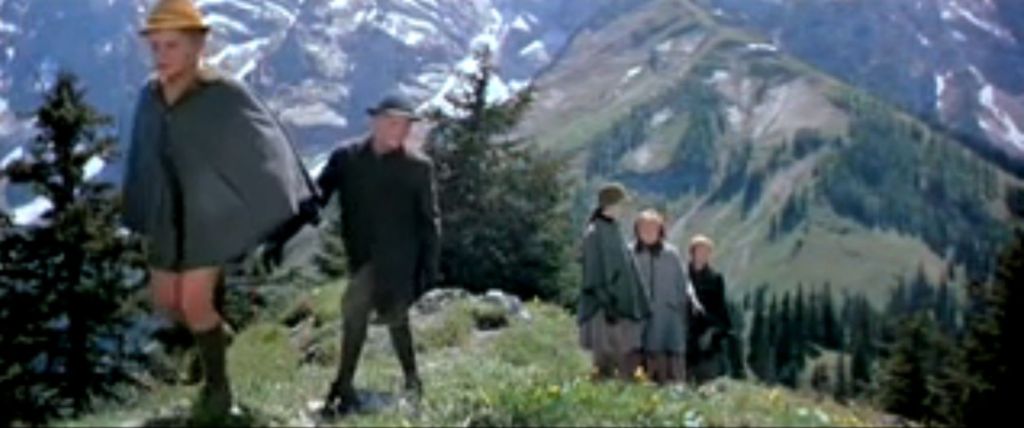
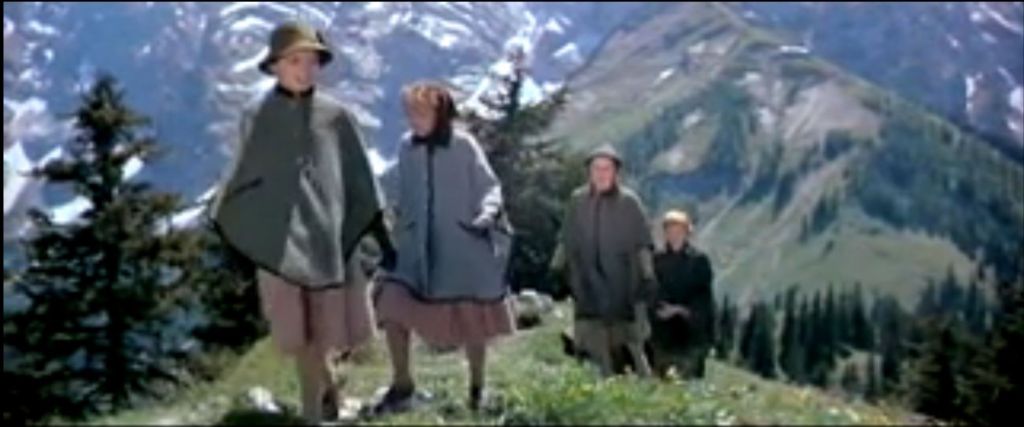
Photo Credits
*Creative Commons Internet Picture Library – via Google Images
Discover more from My Catholic Blog
Subscribe to get the latest posts sent to your email.
 My Catholic Blog